The Plant-Based-Food Diversity Plan
Goal
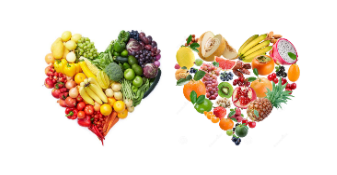
One of the main goals of this class is to get as many different plant-based foods in our diets as possible. It is very easy to slip into the habit of always eating the same few plant-based food choices - day in/day out, (even when these choices are healthful).
For example, you might always choose kale as your leafy-green of choice, or always pick the same kind of berry for breakfast, or always choose Granny Smith’s apples - instead of trying other varieties.
This very intentional exercise helps us to step outside of habit, comfort and “autopilot” shopping and eating - to broaden our diversity.
Ideally we want to try and incorporate at least 30 different plant based foods per week, in order to best nourish our gut health, digestive system and general immune system. (This is not the same as portions or servings, but very specifically refers to variety).
The more diversity, the healthier our gut bacteria.
This isn’t a “difficult” challenge, so much as it really helps us realize how easy it is to repeat what we eat, over and over again, forgetting what diversity really exists in the world of plant-based-food.
When I started doing this, on day one I found myself saying “oh this is gonna be so easy” as I wrote about 10 things down without really much of a challenge. I imagined I’d reach 50-60 by the week’s end, but then I realized - though my food choices are healthy, they are often the same. Kale features a lot, coconut milk and blueberries play starring roles, and for the purpose of saving money, I usually buy crimini mushrooms rather than shitake (for example).
This exercise has helped me to branch out a lot. In the first week of consciously trying this, I made it to 36 unique plant based foods. When I have done this since, I have reached greater numbers.
It’s helpful to remember that “plant-based” is not just “fruit and veg” - but also includes oils, nuts, legumes, spices, etc.
We all tend to stay safe, making familiar and easy choices, which is understandable, but this “challenge” helps us to wander a little further afield. And by so doing, we really nourish our guts.
You may think this means a lot of new dabbling and experimenting in the kitchen, but I didn’t really find that. Food-prep itself doesn’t need to diversify as much as the ingredients you are using. Don’t let it be daunting.
Hot Tip: A big pot of veggie soup (like my Gratitude Soup for example) or a big veggie stir-fry, are fantastic ways of getting a lot of unique, plant-based ingredients into a one-pot cook. When you make soup or a stir-fry, you may find you include 10-15 plants in one meal! Firewater is another way to check a bunch of things off the list (yes, spices count).
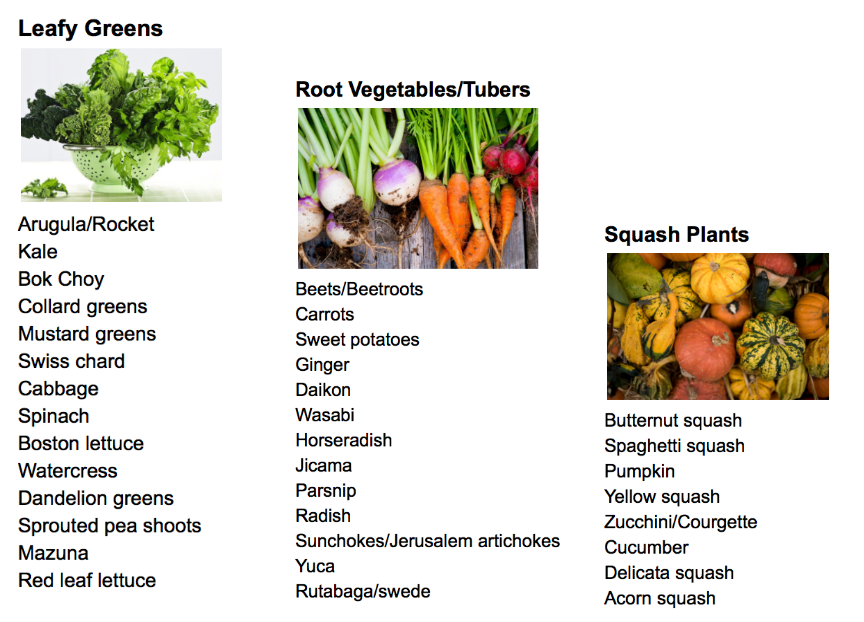
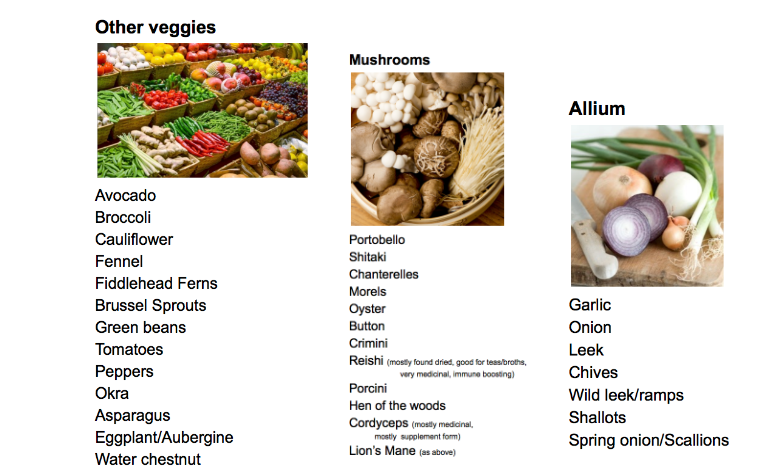
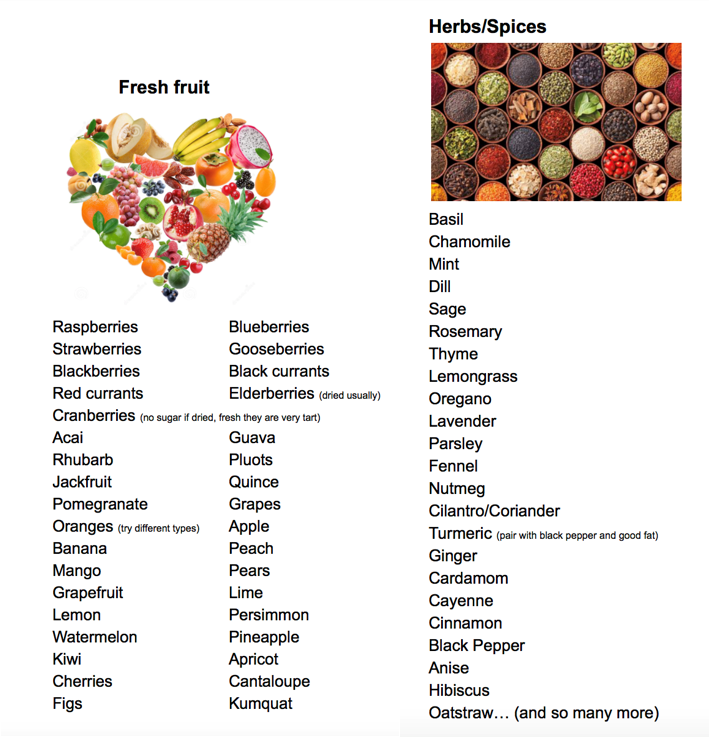
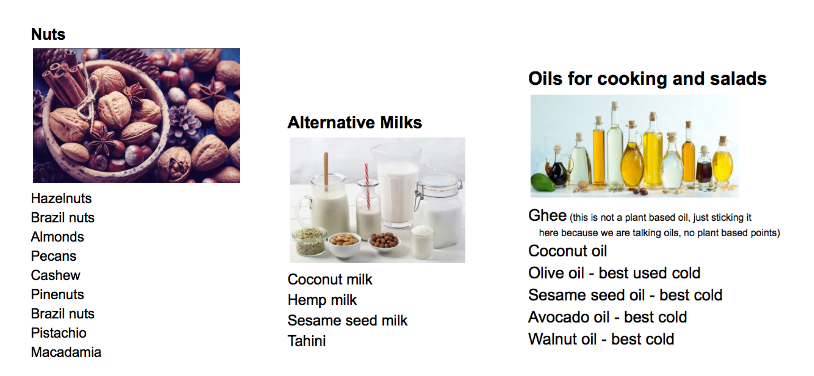
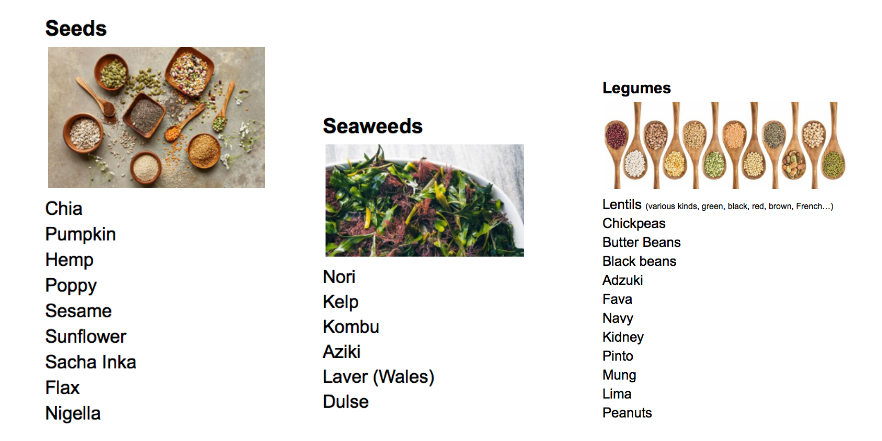
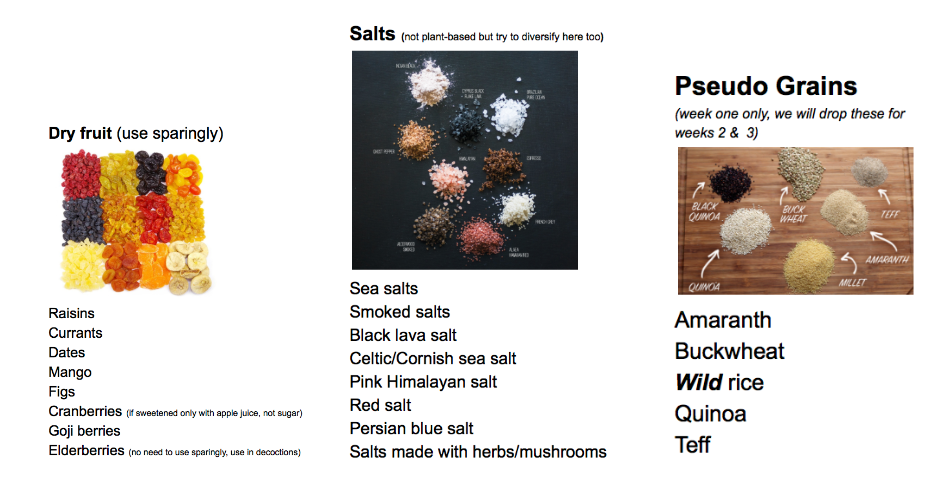
Write down every unique food you eat from this plant-based list this week… and do your best to eat 30+ over the course of the first 7 days. The first time I did this, I wrote my list in the “notes app” on my phone for ease. Just to remind you of the huge potential, I’ve written out a long list of plant based foods below (of course there are many more, make your own list).
This is also one of the many YES LISTS we can refer to.
Whenever possible, choose organic. If that is not possible for whatever reason, please try your best to bear in mind the “Dirty Dozen/Clean 15”
You can listen to a short piece + article here on this topic.
And 30 plant-based-foods challenge.
(This list is by no means as comprehensive as it could be, but is just what I have come up with so far, please feel free to make suggestions and I will add to it as I think of things). Each food gets one check mark per week. Note, as we go deeper into the class, some of these things may be off the list, but it gives you a good idea of the potential diversity)
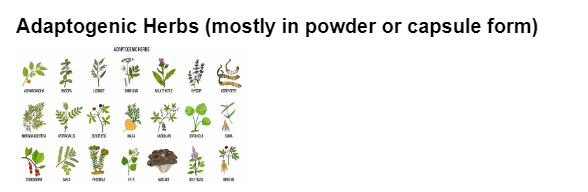
Adaptogenic Herbs (mostly in powder or capsule form)
If you want to learn more about the power of adaptogens, read here. And here. Again this is just a sampling - maca, ashwagandha, shatavari, saw palmetto (for men), triphala (a tri-dosha Ayurvedic supplement)
Medicinal Mushrooms: Cordyceps, reishi, lion’s mane, chaga…
Read up on medicinal mushrooms here.
Yes, the following are also “plant-based” but get zero points for the purpose of this class (sorry!)
Coffee
Sugar
Black tea
Wine, beer & other alcohol
Popcorn
Potatoes
Wheat
Rice
Vegetable, Corn or Canola Oil
Fructose Corn Syrup
Tortillas
Margarine
Soy milk
Tetra packaged/sweetened milk alternatives