Food
In this class, we’ll focus on clean, whole, nourishing "secondary" food ~ the stuff we cook, serve, and eat. We call it secondary, because "primary" food feeds our soul (everything that brings joy and fulfillment to our lives).
While we'll let go of some foods, the real magic is in what we add in. This is known as the Crowding Out Method, the more nourishing food we bring in, the more we naturally crowd out what doesn’t serve us as well. Check out the link to Plant-Based Food Diversity for more ideas.
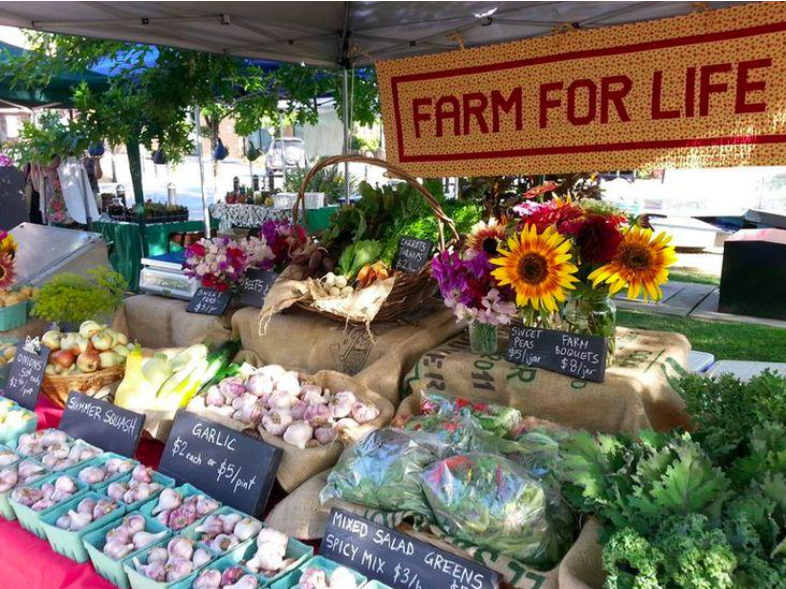
If you can, shop for fresh, local foods to reduce waste. Supporting small farmers and using bulk bins can help minimize packaging. While we aim to cook with raw whole ingredients, don’t stress ~ just get really good at reading labels when opting for convenience (again, read ingredient lists vs nutritional labeling).
Batch cooking is a fantastic way to save time and money, and it’s super fun to share dishes with friends! You might also be surprised by how much money you save when you shift your budget away from things like packaged snacks, coffee, alcohol, ultra-processed foods, and impulse buys.
Everything in this guide is a suggestion ~ except staying hydrated! Stock up based on your availability, budget, and how often you are able to shop. And remember, you don’t need everything at once, so take your time.
This isn't just a shopping list; it's a reminder of the delicious possibilities.
Some foods here will be phased out after Week One, and reintroduced later.
Good Stuff for the YES List!
Fire Water: Turmeric, black pepper, cinnamon, ginger powder (optional cayenne), full-fat coconut milk, lemons/limes. Get creative and add things like medicinal mushrooms, hibiscus, rose hips, and shatavari.
Other Spices: Curry powders, cumin, za’atar, pepper flakes—explore recipes you like and stock up on what you'll use!
Good Quality Sea Salts: Mixing up varieties can be fun.
Lemons/Limes: Organic if possible. We'll use them for lemon water in the morning and in recipes.
Seeds: Chia, hemp, pumpkin, sunflower, sesame—buy in bulk when possible.
Lacto-Fermented Foods: Sauerkraut, kimchi—just be sure it's sugar-free and truly fermented.
Herbal Infusions: Peppermint, hibiscus, oatstraw, nettle, dandelion, or any organic caffeine-free blends. Avoid sweetened fruit teas.
Apple Cider Vinegar: Great for digestion and making fire cider or hot sauce.
Alternatives to Coffee: Green tea, dandelion “coffee,” or mushroom coffee blends are great options.
Nuts: Hazelnuts, walnuts, pistachios, pecans, almonds—all excellent sources of good fats.
Good Oils: Extra virgin olive oil, grass-fed ghee, coconut oil, avocado oil.
Miso Paste: Always go for organic, non-GMO varieties.
Medicinal Mushrooms: Sprinkle these in smoothies or soups.
Seaweed: Perfect for broths.
Avocados: Buy as you need them to avoid waste.
Leafy Greens: Stock up on a variety, plus detoxifying herbs like cilantro and parsley.
Celery, Cucumber, Lemons, Ginger: For morning drinks.
Berries: Frozen works well for off-season.
Legumes: Lentils, beans, and other legumes ~ just soak them beforehand unless you have an Instant Pot!
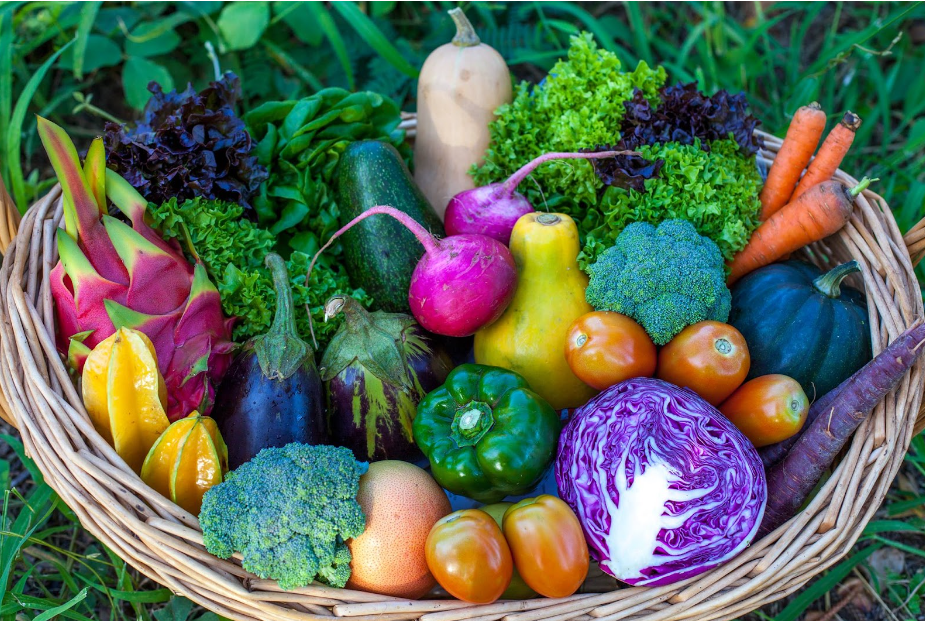
Variety of Veggies & Fruit: Buy fresh or frozen and support the no-food-waste movement!
Pseudo Grains*: Quinoa, amaranth, fonio*, buckwheat ~ great grain replacements.
Lentil Pasta: A fun way to transition in, during Week One, for those used to rice or regular pasta.
Coconut Aminos: A soy sauce alternative or low-sodium tamari.
Yogurt: Go for plain, unsweetened coconut yogurt like Cocojune, or grass fed whole (full fat) dairy.
Kefir: As above, choose grass fed/non-dairy without flavor/sugar.
Broth Making: Save your (organic) veggie peels for broth, (you can keep in the freezer ‘til you are ready to make) and consider making your own bone broth if you eat meat. Instant Pot makes it quick and easy. You can freeze brother in glass jars, but please leave at least one inch or more fro the top, to avoid cracking.
Where to Get This Good Stuff: Health food stores, co-ops, Trader Joe’s, Whole Foods, farmers markets, Mountain Rose Herbs, online, or your garden!
This nourishing class is about abundance, not deprivation! If you can’t find everything or feel overwhelmed, don’t worry ~ focus on fire water ingredients, some whole foods, and plant diversity. Make yourself a delicious gratitude veggie soup and the rest can come later.
The link to Plant Based Food Diversity is a really helpful tool here.
You might like this video and article by Doctor John Douillard to learn the benefits of ghee during a cleanse.
On Pseudograins: A Friendly Guide
Pseudograins might look and taste like grains, but they’re actually from a different biological family. While cereal grains like wheat and corn come from grasses (monocots), pseudograins—like amaranth, buckwheat, and quinoa—come from broadleaf plants (dicots).
These three pseudograins have fascinating histories. Amaranth and quinoa were staple foods in the Americas long before European explorers arrived, though Spanish conquistadors temporarily banned them due to their role in local religious ceremonies.
Buckwheat, originally from central Asia, spread through Europe without much fuss, but eventually lost ground to other cereal grains. While they’re not as common as grains like wheat, pseudograins have gained popularity, especially among people with gluten intolerances or celiac disease.
What makes pseudograins so appealing? First, they’re gluten-free, which is great for anyone avoiding wheat or rye. But there’s more: quinoa is one of the few plant-based foods that provides a complete protein, while amaranth and buckwheat also pack a protein punch. They’re also rich in B vitamins and iron, though they don’t match the nutritional density of meat or vegetables. Another plus is that they haven’t been as heavily hybridized as crops like corn and wheat, so what you’re getting in the store is closer to its natural state.
Other popular grain substitutes include seeds like hemp, flax, and chia. Flax and chia are rich in Omega-3 fatty acids, which makes them a better choice than foods high in Omega-6. Hemp seeds, while not as rich in Omega-3s, are more convenient because they don’t require soaking before eating, and they’re a good source of magnesium.
While there’s a lot to love about pseudograins and seed alternatives, it’s important to note that research on their long-term health effects is still ongoing. For now, they offer a tasty, nutrient-packed alternative to traditional grains.
Fonio: Nutritious and Sustainable
Since fonio (pronounced fun-yo, or fuñio) is relatively “new” to the scene I wanted to give it a little highlight here. Fonio is a versatile ancient grain originating from West Africa that's gaining popularity for good reason. With its nutty flavor and very quick cooking time, it’s a great addition to any meal. Fonio is packed with fiber, iron, magnesium, zinc, phosphorus, and thiamine, and it even contains vitamin C.
Health Benefits
Supports cardiovascular health: Rich in heart-healthy vitamins and minerals, fonio can help keep your cardiovascular system in top shape.
Aids digestion: Easier to digest than many other grains, fonio is suitable for children and those with sensitive digestive systems.
Provides steady energy: As a complex carbohydrate, fonio offers a slow, steady release of energy throughout the day.
Eco-friendly and Sustainable
Not only is fonio great for your body, but it's also good for the environment. This drought-resistant crop thrives in poor soil conditions, making it ideal for regions with challenging climates. It requires minimal water to grow and can be cultivated without pesticides, supporting more sustainable, low-impact farming practices. By choosing fonio, you’re supporting both your health and eco-conscious food production.