The Class Is Over
But the nourishment can be here to stay!
The Class is Over... but the Nourishment is here to stay
The Class is Over... but the Nourishment is here to stay (this is the printable google doc version)
If you have read this in the past, know that it is often updated. Most recent update 5/25/26
Congratulations! This class may be wrapped, but hopeful you are by now deeply invested in nourishing yourself. As you move forward, I invite you to create a personalized set of guidelines to sustain you. Here are a few to help shape your plan:
Avoid ultra-processed foods: I think this might be number one. Choose real, whole foods when possible. We are learning more and more about their negative impacts on the brain and overall health, as well as how addictive they are, and how bad they are for the planet.
Prepare your own food when possible: Batch cooking and meal planning may make it easier to eat well. Keep it simple. One pot prep is absolutely fabulous. Make left overs, freeze some, bring lunch.
Break your fast with protein, fermented veggies & good fats. Think outside the box of what we have been told is breakfast food.
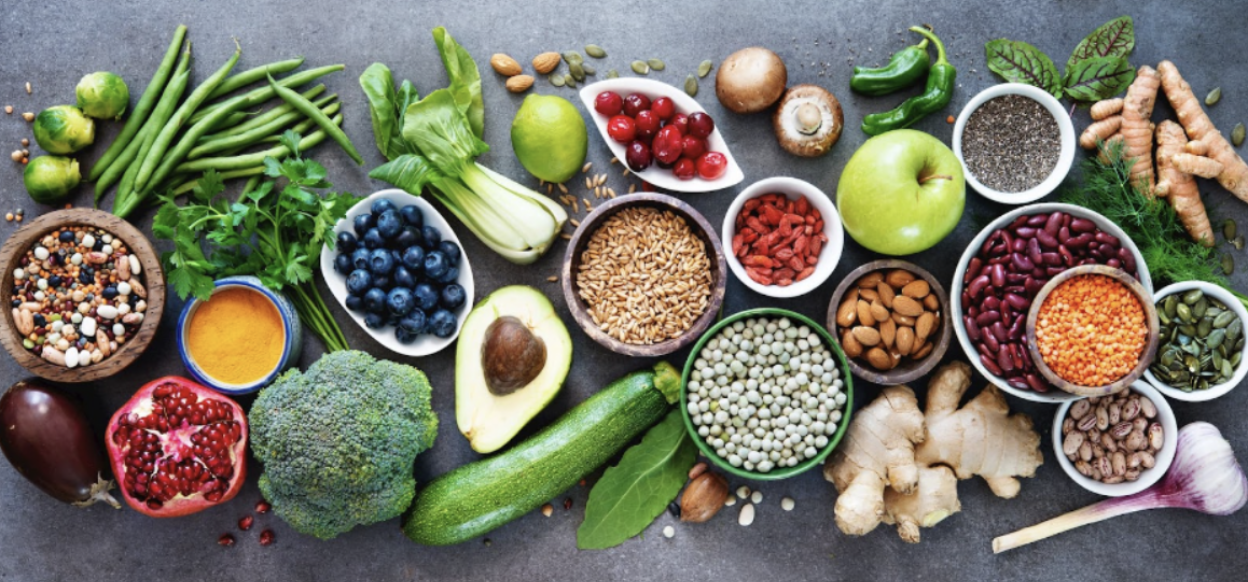
Eat the rainbow. Try to get as many colourful veggies and fruit into your diet as possible. Across the course of a week aim to eat 30 different plants (try for 50 over the course of a fortnight). Think about diversity in the way plants grow, as well as how you prepare them. Include a variety of herbs and spices.
Protein before sweets for blood sugar benefits.
Mindful and intentional eating: Savor meals in good company or quietly alone, remember to chew well. Keep phones and the news away from dining time.
Primary food check-in: Notice when your food cravings are really emotional comfort needs, rather than hunger.
Enjoy sugar as a treat: Enjoy it occasionally and guilt-free, (with some protein). Avoid hidden sugar (it’s often a hidden ingredient in dips, sauces, bread, etc.) Get really good at reading the ingredient list (not the nutritional facts). And when you do eat sugar, enjoy it as a dessert: admire it, be present, say mmmm. Consider high percentage dark chocolate, or perhaps a date cut in two with tahini inside. Avoid liquid sugar (yes, even orange juice). Be wary of all the many names for and types of sugar.
Choose real instead of faux: Skip artificial sweeteners and diet fillers, always.
Hydration: Try to drink most of your liquids in the first ten hours of being awake. Drink before a meal, not during, and about 15-20 minutes afterwards (allow your teeth and saliva to do their digestive work). Consider drinking loose leaf herbal teas. (Avoid glued and plastic tea bags). Filter your water. (Maybe put a rose quartz in your water pitcher, make moon water and sun water: infuse your liquids with love). Avoid liquid sugar.
Sustainability: Where possible, buy organic, pasture-raised, and humane products from farmers markets and local businesses.
Dirty Dozen/Clean 15: When organic isn’t possible, at least go by these guidelines.
Embrace traditions and rituals around meals: Enjoy family meals, special rituals, candle-light, use the best (hand made) ceramics and cloth napkins. Thank the farmers. And eat al fresco when possible.
Move after meals: 20 squats, a 10 min stroll, 20 calf raises, kitchen disco… dancy kitchen clean up. Balance blood sugar, aid digestion.
Time to digest: aim to “close the kitchen” 2-3 ish hours before bed, and continue your fast for an hour after waking.
A Note on Common Cravings:
Sugar: Watch for hidden sugars; they’re often in unexpected places. When you do indulge, make it mindful and balanced. Please try to avoid liquid sugars, including orange juice ~ swap soda for seltzer with citrus, or home-made kombucha.
Alcohol: Set a realistic “cut-off.” Swap that second glass with calming herbal teas, and focus on hydration. Set days of the week where you don’t consume alcohol. Perhaps change the tape about alcohol as a treat or a celebration or as something that gives you courage.
Bread & Grains: Opt for organic or traditional sourdough (home made if possible). Try bread alternatives like flatbreads, lentil crepes, buckwheat galettes, or the “life changing seed bread”.
Coffee: If exhaustion feels constant, consider reducing caffeine, even if that seems antithetical. Sip slowly, remembering it’s a ritual, not a necessity. Tiredness is not a caffeine deficiency. Recent research on coffee has shown there are indeed health benefits to coffee, but there are “rules” in and around that. Always choose organic. Filtered coffee with a paper filter if you have high cholesterol is probably advisable. Read this article for more thoughts. Arabica coffee is probably the healthiest type. Avoid coffee on an empty stomach (drink water + eat something first).
Meat, Fish & Eggs: Prioritize quality over quantity, choosing sustainable, pasture-raised, and organic when possible.
As Michael Pollan says, "Eat food, not too much, mostly plants."
Every choice we make impacts our health, our communities, and our planet. Together, we can enjoy food as pleasure, fuel, and as a powerful way to support a better world.
Thank you for taking this journey. Remember, every step you take in mindful nourishment is a vote for your well-being, a gift to your future self. Here’s to a continued delicious path of health, joy, and balance!